
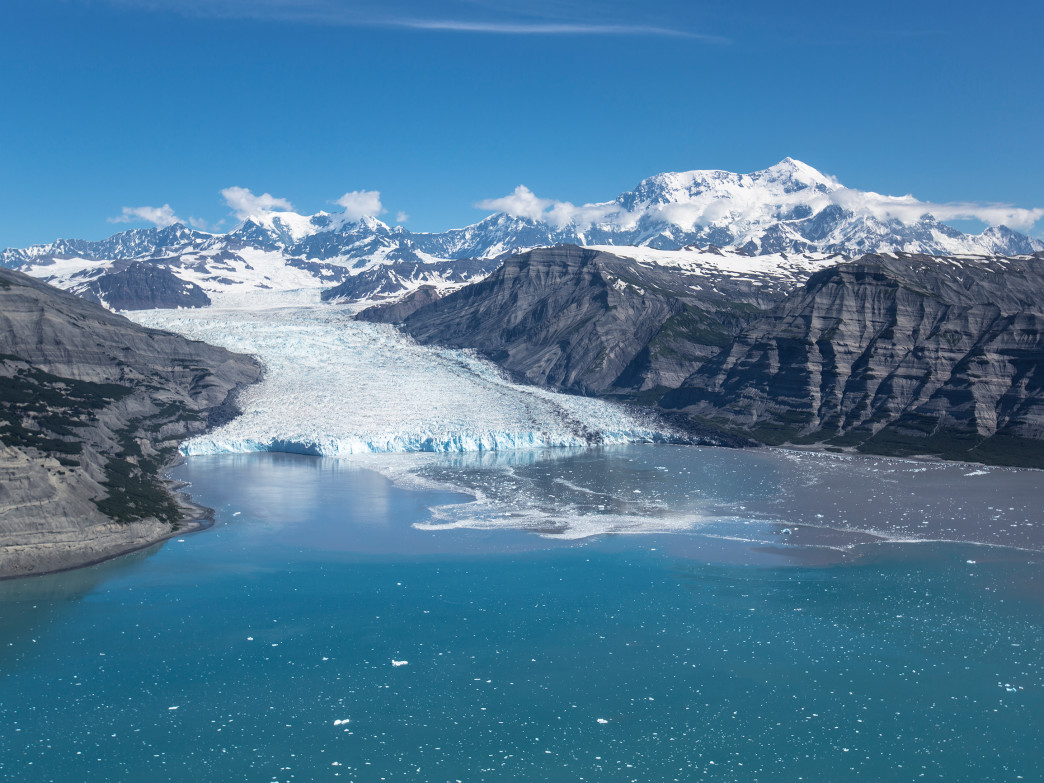
As the largest national park in the U.S., Wrangell–St. Elias in southeastern Alaska is a world of extremes: vast glaciers, towering volcanoes, and untamed wilderness stretch across more than 13 million acres. It’s larger than Switzerland and offers a remote, rugged experience for those seeking true adventure and deep connection to nature.
This park is home to some of the tallest peaks in North America, including Mount St. Elias, and massive glaciers like Nabesna and Malaspina. Whether by bush plane, kayak, or hiking boots, exploration here requires preparation and courage—but rewards visitors with vistas and solitude unlike anywhere else.
Wrangell–St. Elias is rich in Indigenous heritage, particularly from the Ahtna and Eyak peoples. Subsistence lifestyles continue within the park, and traditional knowledge is integral to both understanding and preserving the landscape. Visitors can learn about these ways of life at the park’s cultural centers and by engaging with local guides.
Visitors of all levels are welcome, but due to the park’s size and remoteness, guided tours or detailed trip planning are strongly advised. Backcountry permits and safety briefings are required for most overnight adventures.
🎉 Annual Events:
❄️ Copper Basin Winter Carnival (February)
🗻 Wrangell Wilderness Week (July)
🍁 Fall Colors & Culture Hike (September)
🌟 Highlights:
🏔️ Mount St. Elias and the Wrangell Mountains
🧊 Trekking across ancient glaciers
🛩️ Scenic flights and glacier landings
🐻 Wildlife: grizzlies, caribou, and mountain goats
🪶 Ahtna and Eyak cultural heritage
🧭 Why Visit?
🌄 Experience the wildest wilderness in America
🏕️ Camp in true solitude
🧗 Challenge yourself with alpine adventure
🔭 Discover geology on a grand scale
🗓️ Best Time to Visit: June through early September for accessibility and activities.